

Why a modern SOC starts with data, not more tools.
Security operations leaders have spent the last decade trying to find an impossible balance among exploding telemetry, static SIEM budgets, tightening regulations, and AI's impact on cybersecurity through increasingly adept adversaries.
Rationing data into the SIEM has been the default survival tactic — but it is now a structural risk. Incomplete data makes it impossible to accurately hunt threats, analyze blast radius, or respond to audits. At the same time, AI‑driven SOC tooling can’t do its job if it can’t see most of the evidence.
The answer isn't “more SIEM.” It’s to modernize your SOC with a vendor-neutral data plane, unified search, and governed AI while keeping your existing tools in place.

This guide is for global SOC leaders who live in this tension every day. It focuses on practical architectures and workflows that keep you in control of risk, cost, and AI, using Cribl Stream, Edge, Search, Lake, and Cribl AI when they are the right tool for the job.

What “AI‑powered SecOps” really means
“AI SOC” and “agentic SecOps” are often used as marketing shorthand. In reality, the definition must be rooted in how the work actually gets done.
In practice, an AI‑powered SOC should deliver:
AI‑assisted triage and investigations that reason across SIEM, data lakes, cloud storage, and case tools — not just a single console.
Agentic workflows that plan and execute multi‑step queries, correlate entities across systems, and propose next actions — providing a clear audit trail of assumptions and uncertainty instead of unverifiable outputs.
Complete investigations, not just alerts: each item includes the hypothesis, evidence, and context needed for an analyst to act with certainty immediately.
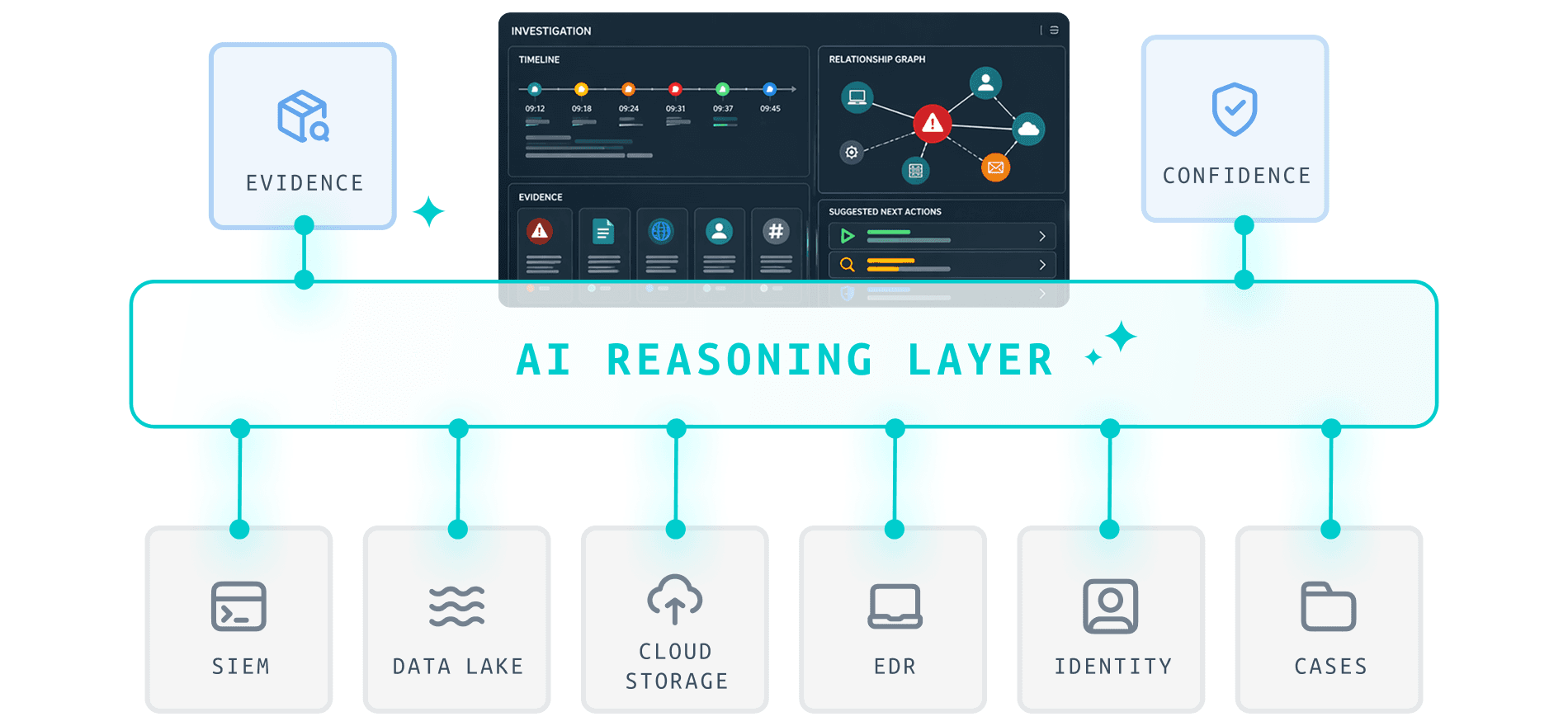
For a SOC, AI only matters if it gives you measurable impact on detection coverage, MTTR, and analyst burnout — rather than just the “number of models in production.”
AI requires a foundation of broad, reliable, and cost-efficient telemetry. Without it, you’re just applying sophisticated reasoning to flawed data—a dangerous place to introduce automation.
From SIEM cost control to SOC modernization
Cost control is just the starting point and modernization is the goal. For too long, organizations have tried to solve SIEM costs by cutting the data they need through trimming ingest and gutting retention. The result is visible in independent research:
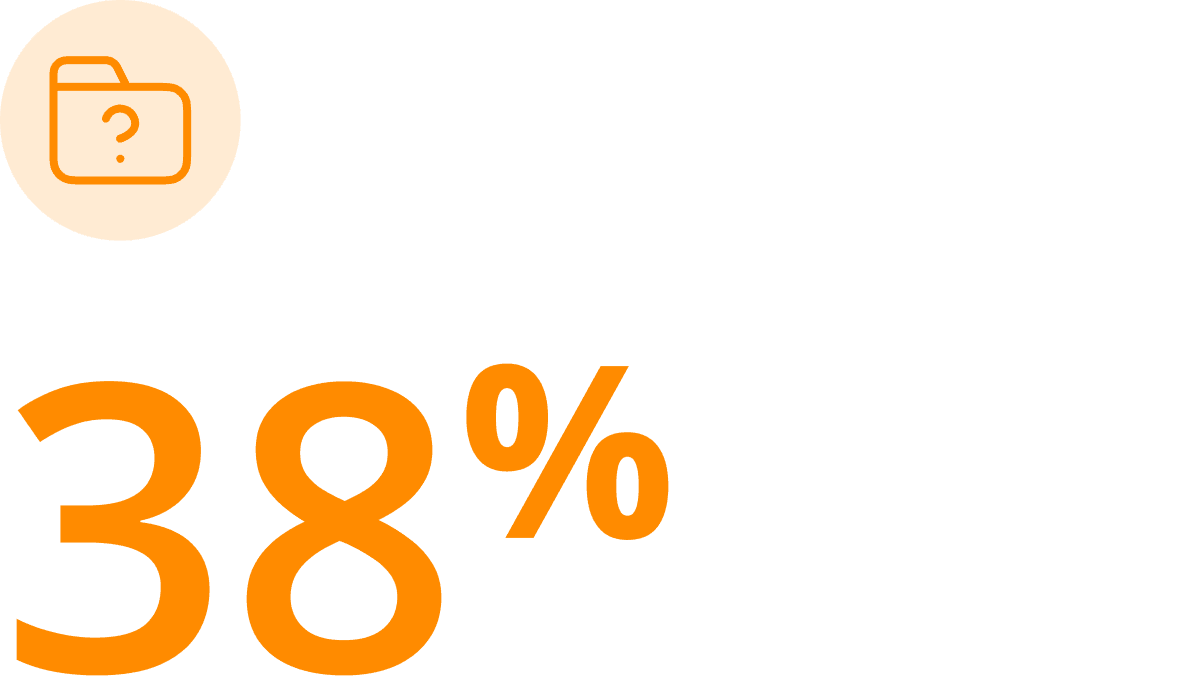
of organizations cite lack of data to hunt against as a top challenge.
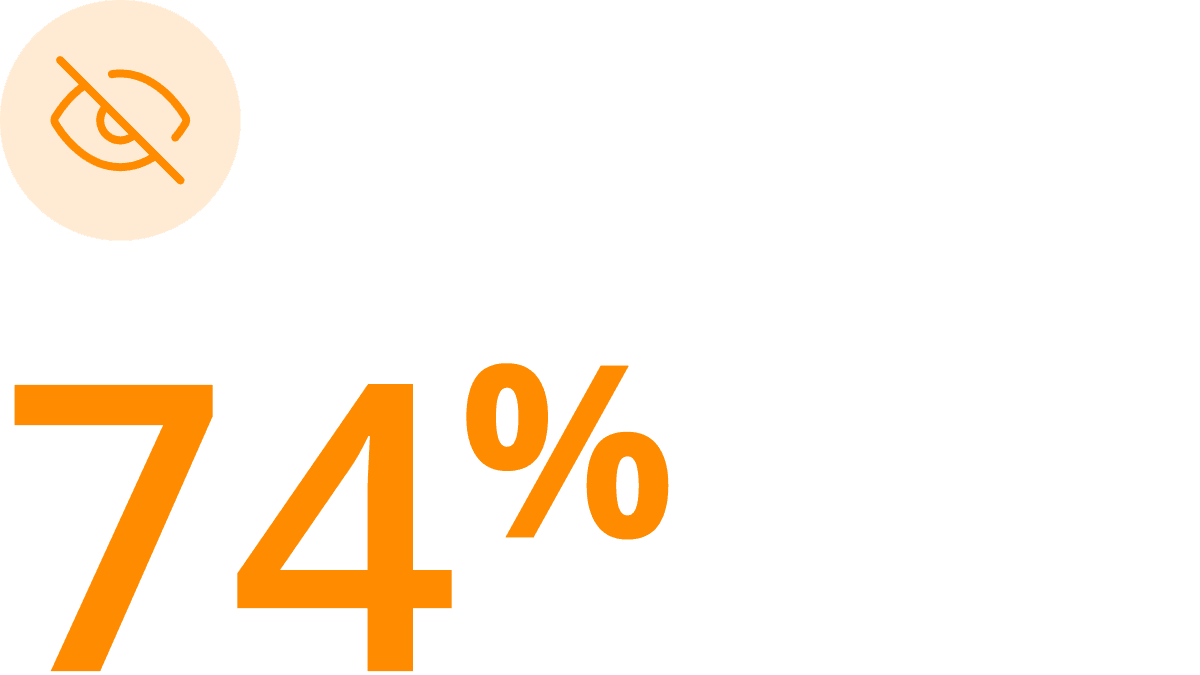
of threat hunters say investigations are hampered by lack of access to historical data.
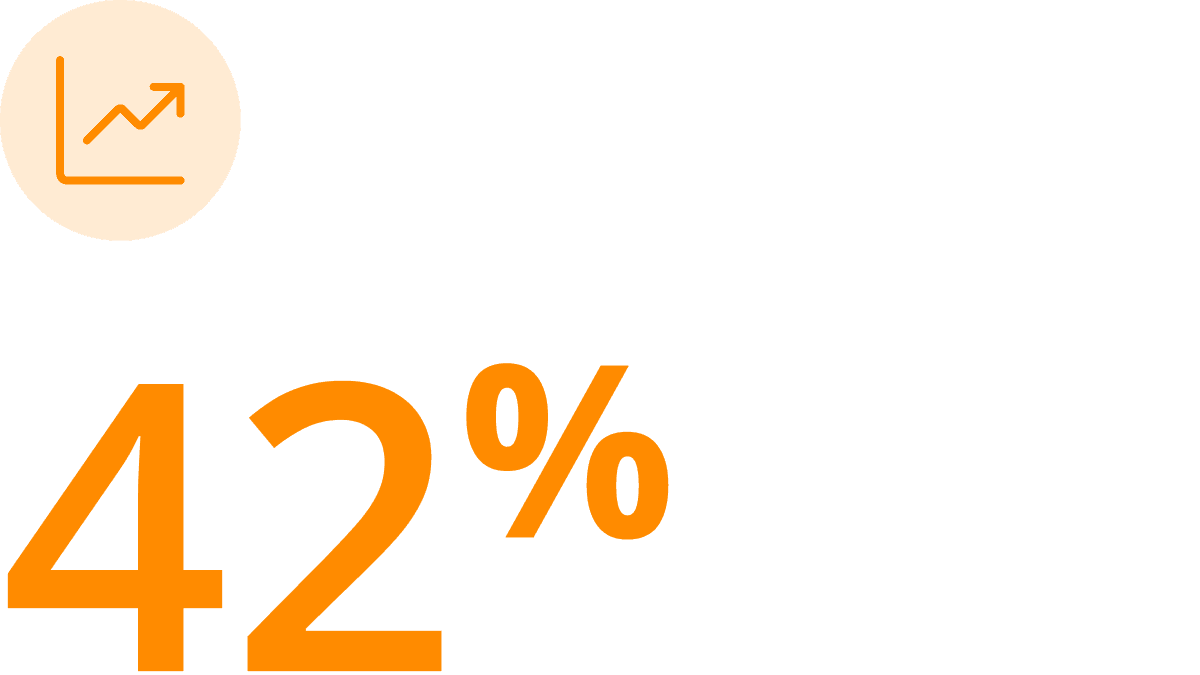
of SOCs dump all incoming data into a SIEM without a retrieval or management plan, increasing both noise and cost.
Cost controls that simply push telemetry out of scope create blind spots and brittle AI. Modernization starts by asking a different question: What architecture lets you keep the right evidence, at the right cost, in the right place — for both humans and AI?
Exploding telemetry vs. SIEM economics
Endpoint, identity, cloud audit, Kubernetes, SaaS, and OT logs all increase in volume and importance. As a result, ingest‑ and workload‑based licensing forces teams to choose between two bad options:
Short retention in the SIEM, which breaks retrospective hunting and ATT&CK‑aligned coverage.
Offloading to cheap object storage with no realistic way to search at incident time.
This is where many AI initiatives stall. An “AI SOC” built on a thin slice of hot SIEM data is an AI that cannot see the attacker's path, change-history, or cross‑system context.
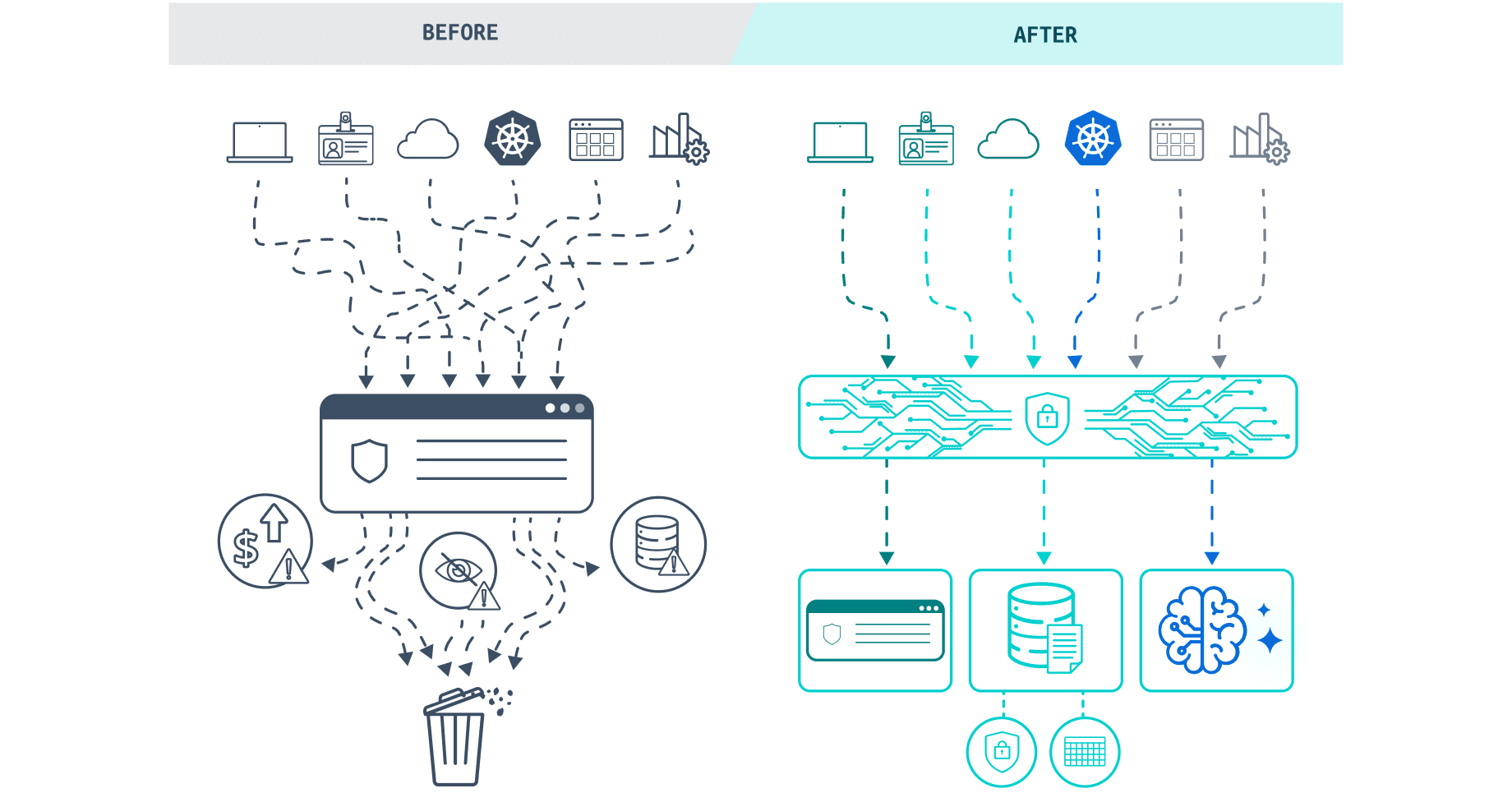
Fragmented telemetry and tool sprawl
Most SOCs now split security‑relevant telemetry across SIEM, EDR/XDR platforms, data lakes, cloud logging services, threat intel tools, and case systems. Analysts must pivot between consoles rather than following an attack path end‑to‑end.
Detection logic and enrichment drift independently in each tool. When schemas or log formats change in one domain — say, Azure AD audit logs or EKS control plane logs — detections silently fail in that silo while dashboards still claim coverage.
Compliance as drag, not design principle
Regulations increasingly assume at least a year of log retention: PCI DSS requires at least 1 year of security log retention, HIPAA often requires 6 years, and SOX mandates relevant records be kept for 7 years.
If long‑term evidence is tied to SIEM hot storage, teams face an impossible choice between compliance risk and budget overrun. “Thaw and re‑ingest” workflows for audits are slow, manual, and still miss records.
AI bolted onto a brittle core
Point AI features on top of a storage‑constrained SIEM under‑deliver because they are optimizing the wrong layer. The real blockers are data quality, reach, and governance, not model availability.

The SIEM remains central, but an AI-ready SOC requires it to interface with a vendor-neutral data plane, modern search, and governed AI
What good looks like: outcomes and metrics for an AI‑ready SOC
Rather than starting from tools, start from outcomes. A high‑performance, AI‑ready SOC is defined by a small set of design principles and KPIs.
Detection and hunting depth
The target state is broader, threat‑informed coverage across endpoint, identity, cloud, and network, with the ability to run retrospective hunts across months or years without breaking the budget. In practice, that means:
Full‑fidelity telemetry from critical sources (EDR, identity, cloud control plane, Kubernetes audit, DNS, email, web proxy) is retained in cheap but searchable stores, not discarded.
Detections and hunts now span both hot and cold data. You can uncover historic cloud drift and long-tail identity misuse instantly—without the cost or delay of re-ingesting logs.
Investigation speed and consistency
You are optimizing for time‑to‑decision and blast‑radius confirmation time, not just MTTD/MTTR headline numbers. Here’s what that looks like:
Analysts can answer “what happened, where else, and who is affected?” from a single investigation surface, using repeatable playbooks rather than bespoke spelunking.
AI‑assisted investigations propose pivots and summarize findings, but always with inspectable evidence and a clear chain of reasoning.
Compliance and resilience by design
An AI‑ready SOC treats regulatory retention and operational resilience as architectural constraints, not afterthoughts:
Logs required for PCI/NIS2/DORA, sector regulators, and internal audit are stored in open formats in Cribl Lake or cloud object storage, with schema‑on‑need and explicit data classes and retention policies.
Auditors’ questions can be answered by federated search directly on cold storage, with the option to replay precise subsets into downstream tools when needed.
Economic and architectural agility
Finally, a modern SOC has freedom to change:
The SIEM, XDR, data lake, or AI stack can be replaced or supplemented without touching agents everywhere.
New security tools, managed SOC providers, and AI services can plug into the same telemetry layer rather than demanding bespoke pipelines.
Architecture: how Cribl enables an AI‑ready, SIEM‑centric SOC
Cribl’s portfolio is explicitly designed to fit around an existing SIEM and modernize the SOC without forcing a rip‑and‑replace. In combination, Cribl Stream, Edge, Lake, Search, and Cribl AI form a vendor‑neutral security data plane and investigation surface tailored for both humans and AI.
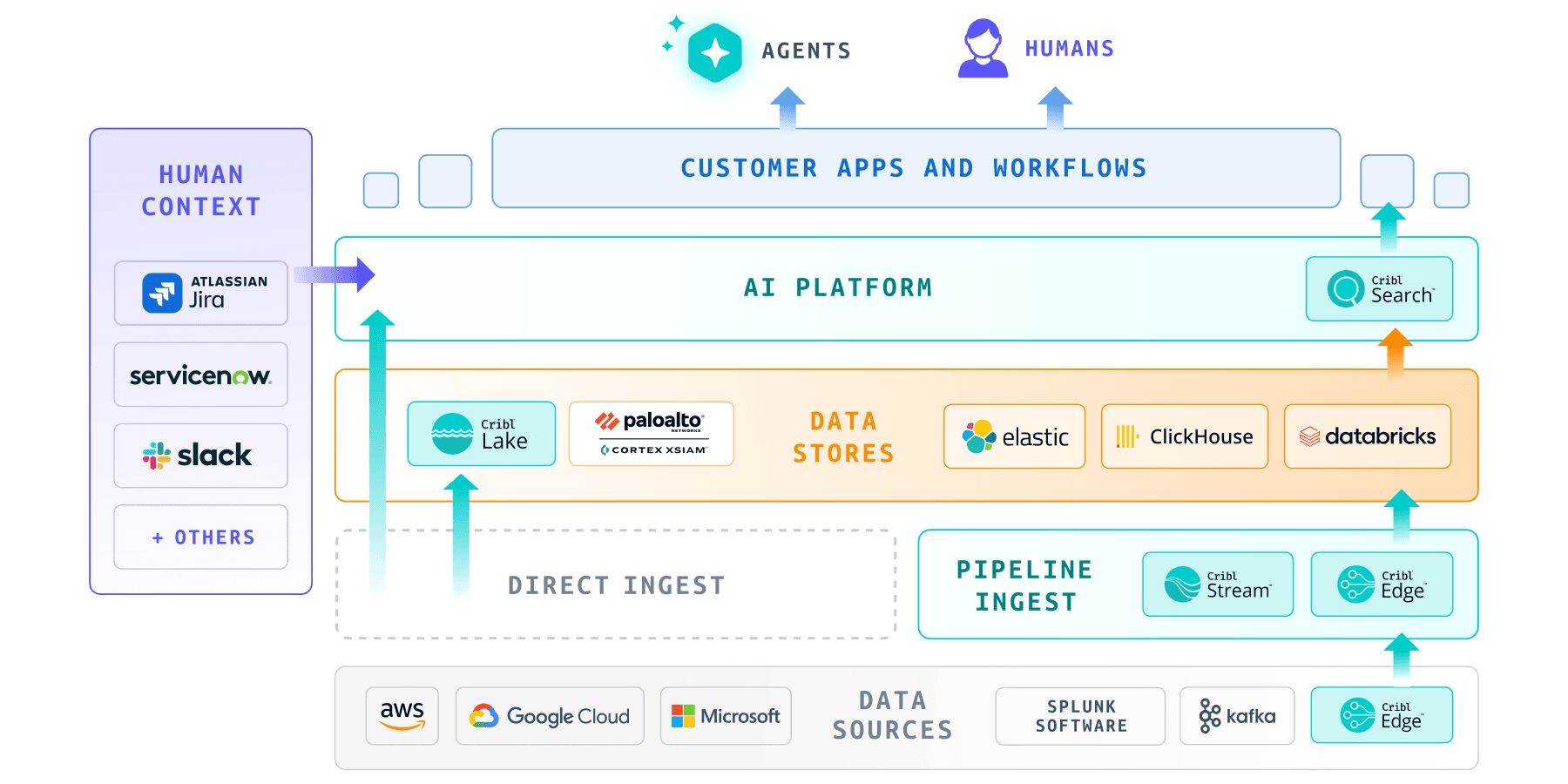
Cribl as the vendor‑neutral security data plane
Cribl Stream & Cribl Edge
Intelligent collection, shaping, and routing
Cribl Stream and Edge function as a logical security data plane in front of your SIEM, XDR, data lakes, and AI stacks. First, they collect telemetry from any source (endpoint agents, servers, Kubernetes, cloud services, identity providers, SaaS APIs, network taps, and OT gateways), normalize, enrich, filter, and mask once. Then they route different shapes of the same event to multiple destinations (SIEM, Search, Lake, S3/Blob, MSSPs, AI platforms) without brittle per-tool pipelines. This reduces ingest to high-cost tools and keeps full-fidelity copies elsewhere for hunting, detection engineering, AI training, and compliance. This is where you implement telemetry tiering for SecOps: not every log needs to live in expensive hot storage, but it must be reachable when the SOC or an agentic system needs it.Cribl Lake
Open, schema‑on‑need retention
Cribl Lake offers cost-effective, open-format retention for full-fidelity security data, storing raw or lightly shaped telemetry in your own object storage (e.g., S3, Azure Blob) with schemas applied on demand. This satisfies regulatory multi-year, queryable retention (PCI, NIS2, DORA, SOC 2) decoupled from SIEM licence constraints. Use this single store for retrospective hunts, replay into downstream tools, and AI training data without creating another proprietary lake.Cribl Search
Unified search and investigation
Cribl Search gives analysts and AI one investigation surface across hot and cold telemetry, wherever it lives. A Lakehouse engine ingests, stores, and accelerates security data directly in Cribl Search for hot, frequently accessed datasets like EDR, firewall, identity, and critical app logs. A federated engine queries data in place across Cribl Lake, S3/Blob, SIEMs, cloud analytics platforms (including Snowflake, ClickHouse, Elastic/OpenSearch, Azure Data Explorer, and Prometheus), and key SaaS APIs — without re-ingest or wholesale re-indexing. Results can be routed onwards ("results as data"), feeding SIEMs, data science pipelines, or case tools without forcing everything through a single platform. Together, these engines let you treat SIEM as one of several decision surfaces, not the only place searches can run.
Cribl AI, Copilot and Notebooks: the agentic investigation layer
Cribl AI, Copilot, and Notebooks add an agentic, human‑in‑the‑loop investigation layer on top of Stream, Lake, and Search:
AI‑guided investigations start from a natural‑language question (“walk me through this suspicious OAuth consent pattern across Azure AD and Okta in the last 30 days”) and translate that into composed searches, pivots, and hypotheses over hot and cold telemetry.
Notebooks become living runbooks that capture searches, charts, AI‑generated summaries, and analyst commentary in one artifact, so investigations are repeatable across shifts and shared across global teams.
AI assistance is explicitly scoped and good at triage, correlation, and summarization over governed telemetry; never deploying changes or workflows without policy and human approval.
Enterprises with data privacy or compliance requirements can use Bring Your Own Model (BYOM) to connect their own AI provider, keeping AI data flows within their own controlled infrastructure.
Instead of a black‑box “AI SOC,” you get governed, inspectable AI that helps analysts get to better‑founded decisions faster — on top of a data plane that actually sees what matters.
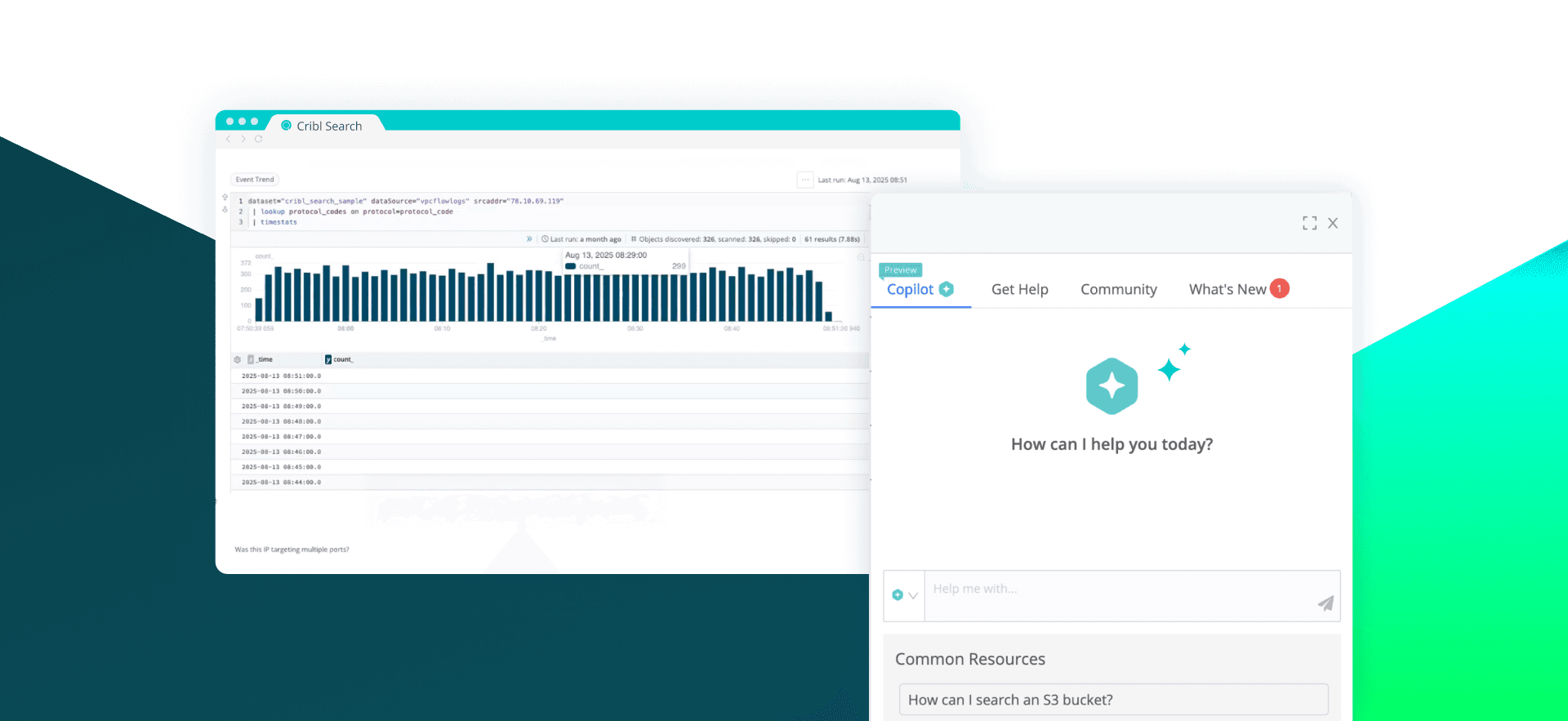
Modern SOC workflows re‑imagined with a modernized SIEM architecture
With the security data plane and unified search in place, day‑to‑day SOC workflows start to look very different.
We explore the idea of a vendor-neutral, composable SIEM stack where each layer of the detection and response workflow is its own function, orchestrated through open APIs and pipelines in Engineering for a composable SIEM architecture.
Threat hunting without blind spots
Hunters are constrained by what fits in SIEM hot/warm tiers. Endpoint and identity history is thin, cloud logs are rationed, and Kubernetes or audit data is often missing entirely. “Threat‑informed” hunts often degrade into speculative KQL/SPL experiments over partial data.
With Cribl, security teams can overcome these limitations to validate threat hypotheses with complete telemetry:
Ingest full-fidelity telemetry: Use Cribl Stream and Cribl Edge to collect high-value data from EDR, identity, cloud control plane, Kubernetes audit logs, DNS, and critical SaaS. Route the most recent, high-value streams into Search Lakehouse engines and store broader historical data in Cribl Lake or object storage.
Accelerate hunt execution: Run fast, interactive hypothesis testing over the Lakehouse engine. For multi-year, retrospective hunts, use the federated engine across low-cost storage without needing to re-hydrate data into the SIEM.
Frame and Document Hypotheses: Use Cribl AI + Notebooks to help frame threat hypotheses (e.g., “show failed MFA followed by unusual service-principal creation in our EMEA tenant”) and automatically document the evidence trail as the investigation progresses.
This approach significantly reduces the time spent fighting data gaps, allowing hunters to focus on validating threat hypotheses across comprehensive data sets. For a deeper dive into treating time itself as a first-class hunting surface pivoting across hot, warm, and cold telemetry without costly re-ingest, see Temporal hunting: Time as a threat hunting surface.
Detection engineering and AI‑driven anomaly detection
In many cases, rule and model tuning depends on incomplete, short‑retention samples. Backtesting ATT&CK‑aligned detections across representative telemetry is slow and patchy. Detection engineers are constantly chasing schema drift and ingest gaps as AI anomaly detectors are trained on low‑quality baselines.
To modernize security operations, you must solve these challenges by:
Standardizing parsing and enrichment in Stream or Edge once for SIEM, Search, and any AI stacks, creating a common security data contract across tools.
Using Cribl Search over Lakehouse + federated telemetry to backtest detections over months or years of data, not just what fits in SIEM warm tiers.
Feeding AI/ML‑based anomaly detectors and UEBA systems with richer, normalized context from the data plane, rather than raw, noisy feeds.
Applying detection reliability engineering patterns: monitor coverage health when schemas or ingest paths change, and automatically surface rules that have gone quiet because fields disappeared or sources dropped.
This approach yields higher‑fidelity detections, fewer silent failures, and AI models trained on data that actually represents your environment.
Incident response and AI‑accelerated investigations
Oftentimes, incident responders pivot across SIEM, EDR consoles, cloud portals, and ticketing tools. Blast‑radius analysis is slowed by frozen tiers, export limits, and manual joins. Writing executive and regulator‑facing narratives consumes scarce senior‑analyst time.
Cribl modernizes this workflow for faster, more consistent investigations, providing decision-grade evidence and reusable narratives. The transformation centers on:
Cribl Search as the primary investigation surface:
Its lakehouse engine handles hot data (live alerts, recent process trees, identity events).
Its federated engine accesses older evidence from Cribl Lake, S3, Azure Blob, and external APIs.
Cribl AI / Copilot to accelerate analysis:
Summarize complex multi-entity timelines into draft incident reports.
Propose intelligent blast-radius pivots (e.g., “other workloads where this service account was used in the last 7 days”).
Highlight suspicious entities for deeper review while exposing the underlying evidence for each recommendation.
Notebooks to capture the full story — queries, charts, enrichment, AI summaries, and analyst decisions — allowing for re-runs, peer review, and use in training and readiness exercises.
The outcome is faster, more consistent investigations that deliver validated evidence and reusable narratives, freeing up scarce senior-analyst time previously spent writing complex executive and regulator-facing reports.
Compliance, audits, and operational resilience
When the SIEM doubles as a compliance archive, major audits trigger stressful projects to thaw and re-ingest under tight deadlines. Answering simple timeline questions consumes senior staff time because evidence is scattered across point tools and requires "break-glass" exports.
Modernizing this approach involves
Moving long‑term compliance and resilience data into Cribl Lake or object storage, with explicit data classes and retention aligned to PCI, SOX, NIS2, DORA, sector regulators, and internal policies.
Using federated search to answer auditor and regulator questions directly on cold storage, replaying only the minimal required subset into SIEM or case systems when needed.
Using AI‑assisted search and Notebooks to generate clear, consistent evidence packs and narratives, reducing audit stress on analysts and helping non‑technical stakeholders understand what happened and why.
This transformation ensures that compliance and resilience are built in by design, rather than managed through episodic projects.
Managed services and multi‑tenant SOCs
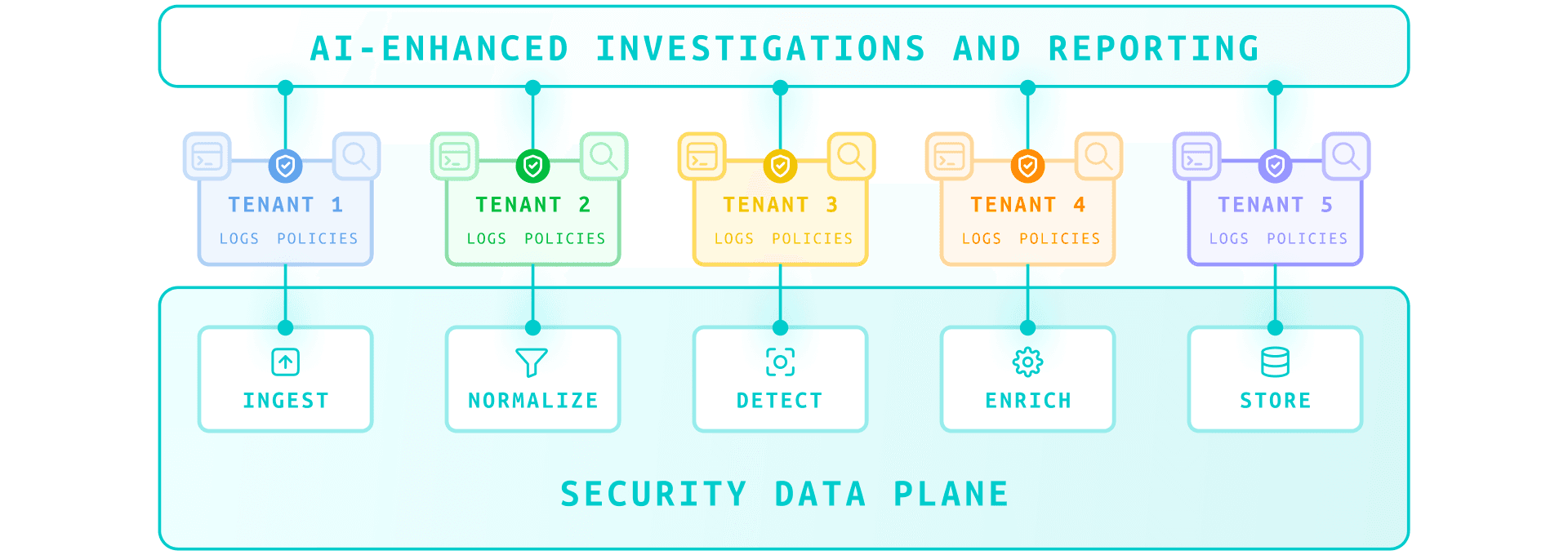
For MSSPs, MDRs, and co‑managed SOC providers, the same patterns apply at tenant scale:
Use Stream or Edge to standardize onboarding and normalization across tenants with one telemetry framework, rather than custom pipelines per customer.
Enforce tenant‑specific retention, masking, and routing policies centrally in the data plane, respecting data sovereignty and sector‑specific obligations.
Offer AI‑enhanced investigations and reporting as differentiated services, safe in the knowledge that Cribl AI is operating over governed, tenant‑segmented telemetry and subject to your own runbooks and approvals.
A pragmatic roadmap to modernize your SIEM‑centric SOC
You do not need a big‑bang migration. Most successful programs modernize in four pragmatic steps, each tied to specific Cribl products and measurable outcomes.
Step 1
Start where SIEM pain is highest
Decision: Identify one or two high-volume, high-cost datasets whose current value does not justify their SIEM bill — for example, EDR telemetry, verbose cloud audit logs, or Kubernetes control plane logs.
How does Cribl help? Route these streams through Cribl Stream or Edge. Keep only the most valuable events in SIEM and send full-fidelity copies into Cribl Lake and relevant Search Lakehouse engines.
Outcomes to track:
SIEM license savings for those datasets.
Retention window expansion for full-fidelity copies.
Impact on MTTD/MTTR for detections depending on those feeds.
Step 2
Decouple retention from analysis
Decision: Explicitly separate what must be hot in SIEM from what only needs to be quickly searchable for hunts, audits, and AI training.
How does Cribl help? Move regulatory and long‑tail data (e.g., HTTP request logs, DNS, historic identity events) out of SIEM into Cribl Lake, S3, or Azure Blob, keeping it queryable via federated search. Define data classes and mapped retention policies across hot, warm, and cold tiers, enforced in the Stream or Lake pipeline.
Outcomes to track:
SIEM cost curve vs. data growth.
Effective retention windows for hot and cold classes.
Time to answer common audit and incident‑review questions.
Step 3
Standardize enrichment and schemas for humans and AI
Decision: Treat normalization and enrichment as a shared security service, not a per‑tool implementation detail.
How does Cribl help? Implement shared parsing, normalization, and enrichment in Stream or Edge, giving SIEM, search, data‑science stacks, and AI platforms a consistent view of entities, fields, and labels. Document and govern this as your security data contract.
Outcomes to track:
Reduction in detection breakage due to schema drift.
Time to onboard new log sources or tools.
Quality of AI‑generated investigations and anomaly detection when pointed at the curated schema.
Step 4
Introduce AI‑assisted investigations safely
Decision: Start with AI assistance in read‑only, human‑in‑the‑loop mode; add automation only where confidence, guardrails, and approvals are strong.
How does Cribl help? Enable Cribl AI‑guided investigations and Notebooks in Cribl Search to propose queries, highlight anomalies, and draft summaries — always with provenance and evidence attached. Once comfortable, move to agentic patterns that suggest next queries, correlate entities, and generate draft reports, with humans approving any changes to rules, thresholds, or routing.
Outcomes to track:
Reduction in investigation time for common incident types.
Analyst satisfaction and burnout indicators.
Quality and consistency of incident reports and post‑incident reviews.
Best practices and pro tips for SOC leaders
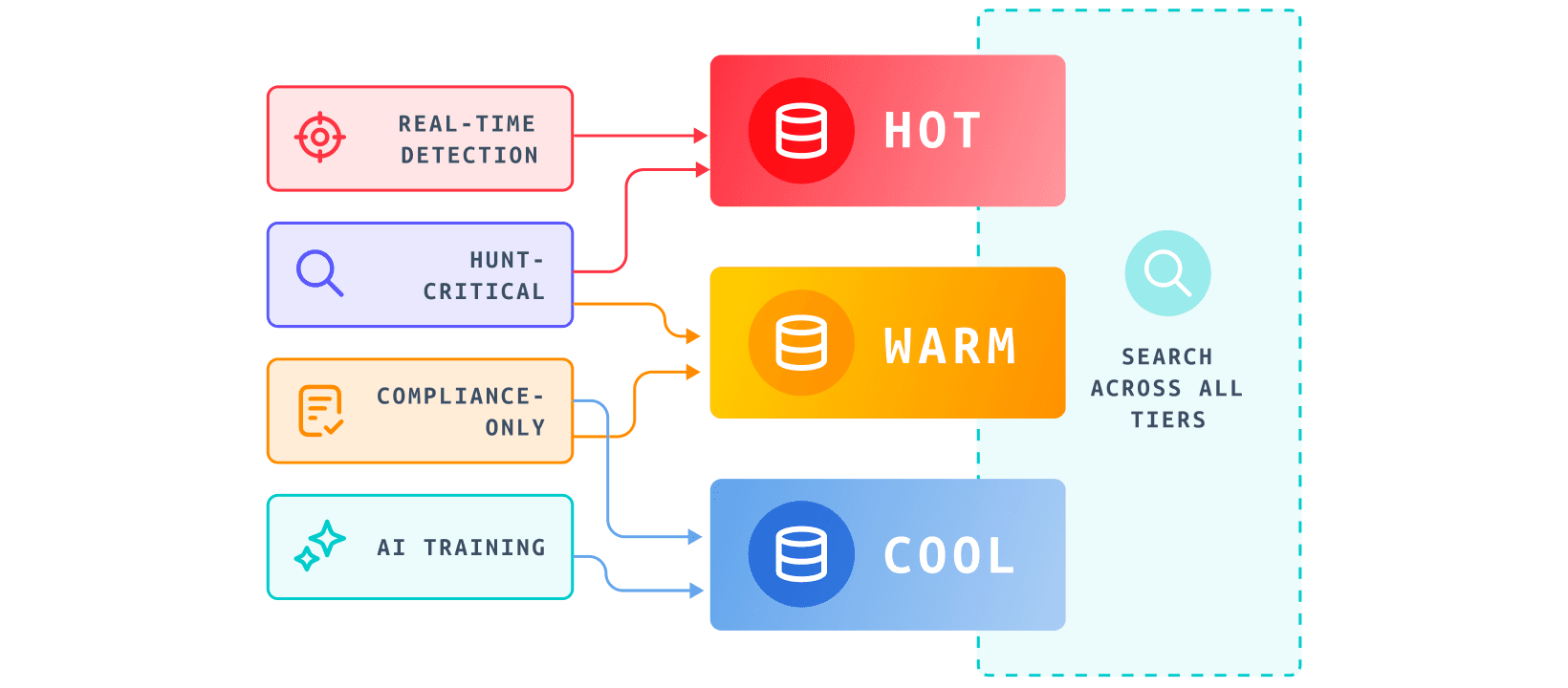
Telemetry tiering for SecOps
Use the security data plane to make economic decisions explicit:
Define classes such as “real‑time detection,” “hunt‑critical,” “compliance‑only,” and “AI‑training” and map them to hot, warm, and cold storage tiers.
Accept that not every log will be ingested, normalized, and retained in the highest‑cost tier forever — but insist that every class is discoverable and searchable at its required speed.
Human‑in‑the‑loop AI
Treat AI as a junior but fast analyst, not an autonomous decision‑maker:
Start with evaluation, summarization, and hypothesis‑generation tasks backed by broad telemetry.
Expose assumptions, evidence, and confidence in the UI so analysts can spot over‑reach.
Bind any write actions — rule updates, suppressions, automation runs — to policy controls and approval gates.
Cross‑team alignment on the data plane
The security data plane is a shared asset. Bring platform engineering, cloud, IR, detection engineering, and GRC into the same picture:
Use Cribl as the common layer for telemetry across observability and security, so different teams can consume the same high‑quality streams without duplicating pipelines.
Involve OT and product teams where relevant so they understand how their systems are monitored and what evidence the SOC will need during incidents.
Measuring progress
Finally, keep a simple scorecard that blends cost, coverage, and operations:
Coverage integrity (including ingest gaps and detection health).
Effective retention windows per class.
MTTD/MTTR and time‑to‑decision for priority incident types.
SIEM and storage spend vs volume and business growth.
Audit turnaround time and number of exceptions.
Analyst satisfaction and turnover.
This is how you know modernization is delivering tangible outcomes for the SOC.
How to get started: next steps for SOC modernization
To move from SIEM cost firefighting to an AI‑ready SOC, you can start with small steps. Here is a simple, practical starting checklist:
Identify one dataset or workflow (threat hunting, blast‑radius analysis, audit response) where your current SIEM‑only pattern hurts most.
Map today’s data flows for that workflow and sketch how they would look with Cribl Stream or Edge, Lake, Search, and Cribl AI in the loop.
Stand up a pilot that routes a subset of telemetry via Cribl, lands full‑fidelity copies in Lake, and uses Search + Cribl AI to investigate one or two real incidents from end to end.
Measure outcomes such as cost change, retention change, time‑to‑decision, and analyst sentiment.

Talk to us about modernizing your SOC. Cribl’s team of SecOps specialists can help you design a security data plane and investigation surface that keeps you in control of cost, coverage, and AI, while making the most of the SIEM and tools you already have.