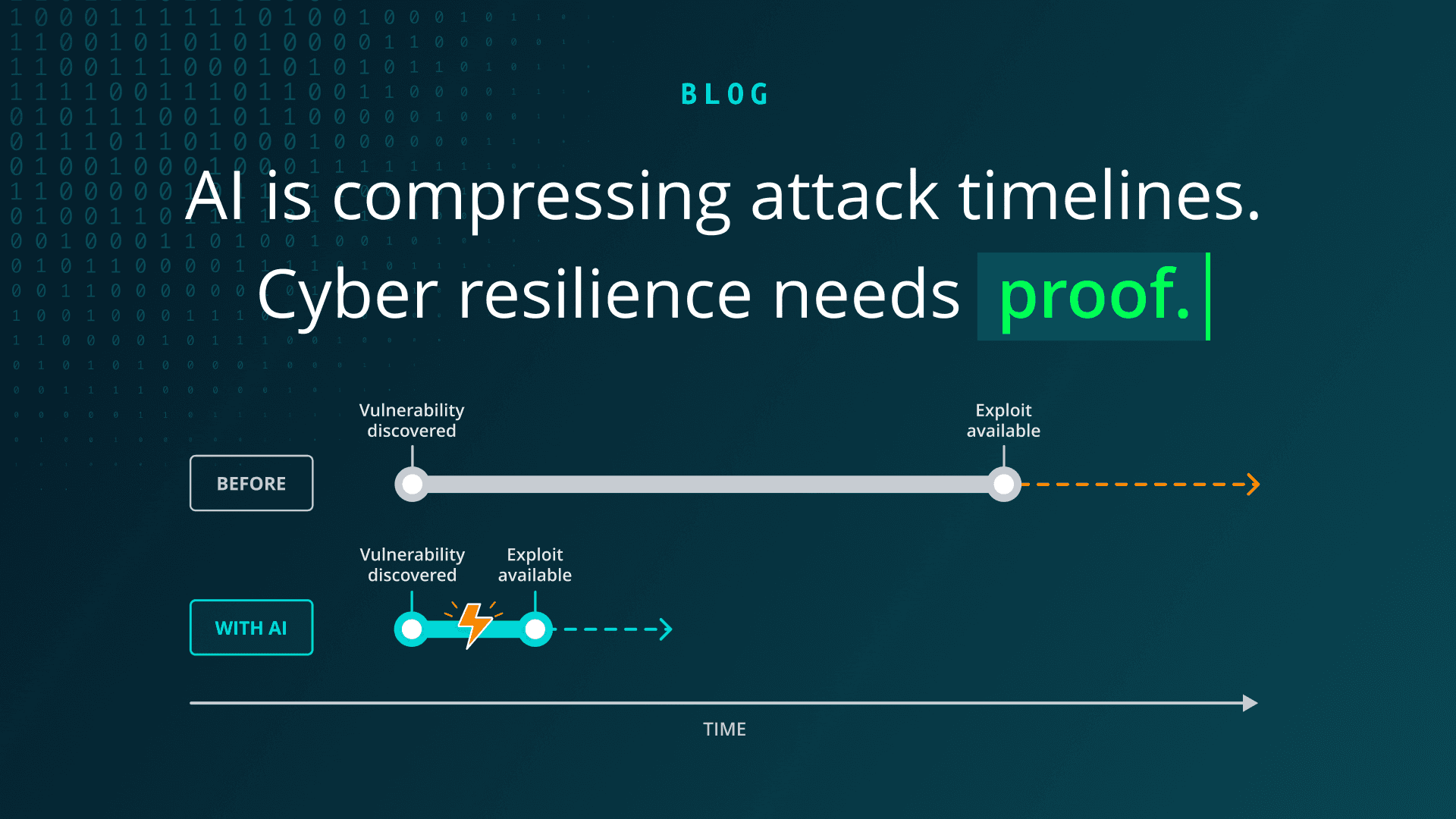

AI-powered security operations centers and IT operations are promising. Gartner's research confirms the momentum: 40% of organizations are already evaluating AI SOC tools, and another 23% are actively running pilots. On the security side, piloting organizations are testing how well these new products automatically triage alerts, investigate incidents, and accelerate response. For SREs, AI agents claim to detect anomalies before they cascade into outages.
Dozens of well-funded startups, like Dropzone AI, Exaforce, Prophet Security, and others, are racing to deliver on this automated agentic future.
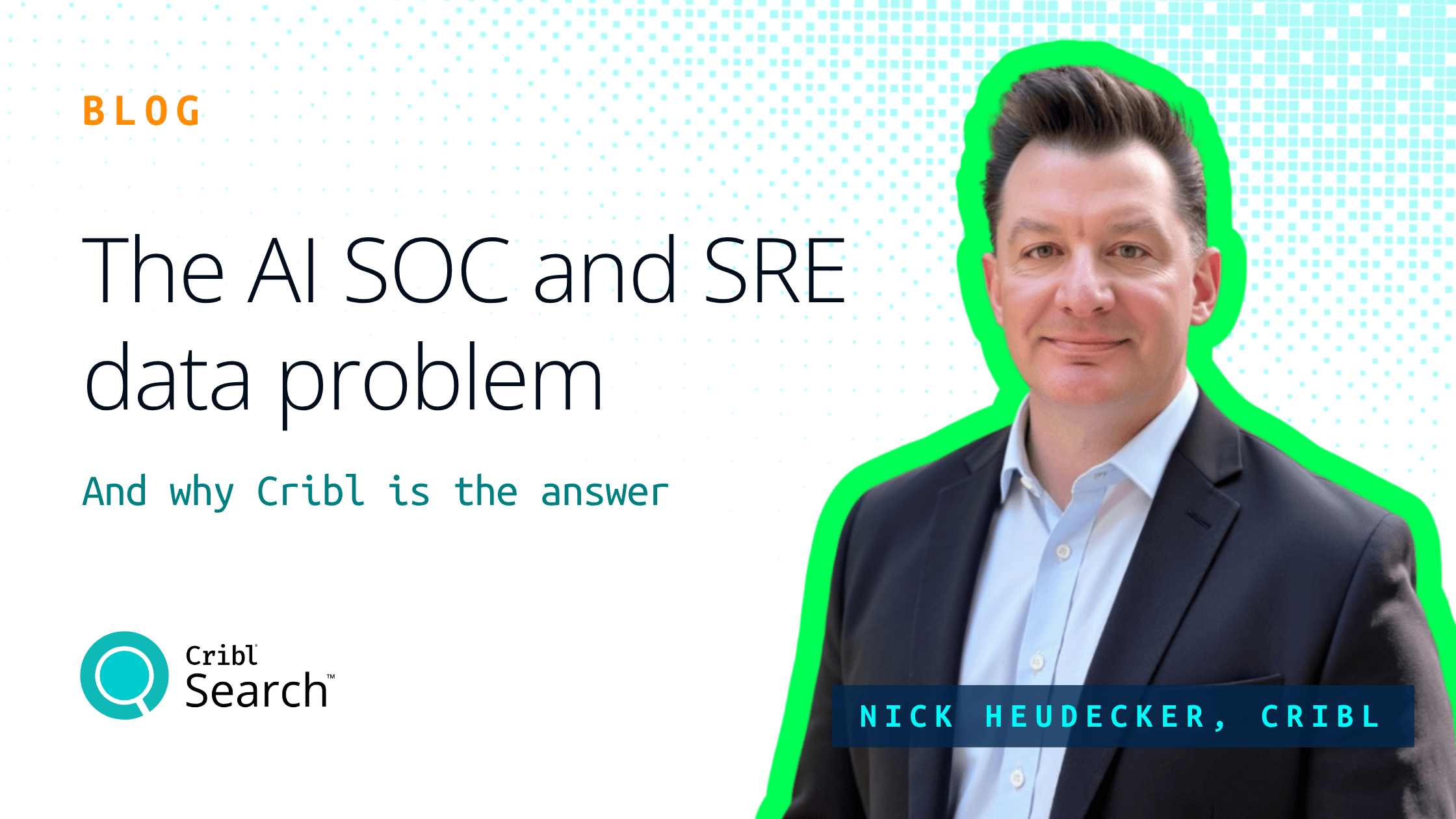
But as I’ve been saying since the launch of the GenAI era, and what those same organizations are now discovering, is that the magic isn't in the model. It's in the data.
Effective AI SOC deployment requires mature data sources — complete, accurate, timely, and relevant. You can’t roll out AI on top of weak foundations. Before any agent can triage an alert intelligently, it needs access to logs, asset context, enrichment data, historical case information, and playbooks. Garbage in is just that: garbage. The LLM only adds velocity to the failure.
This is where it gets complicated for the AI SOC and SRE startup ecosystem.
These companies need data firehoses. What they're getting is a drip. Last year I wrote about the structural headwinds agentic AI startups face: the cybersecurity incumbents — CrowdStrike, Palo Alto Networks, Microsoft, Splunk — sit on oceans of telemetry data and are actively building their own AI agent capabilities on top of it. They control the pipelines, the feedback loops, and the customer trust. Startups are increasingly finding themselves throttled at the API layer, unable to access the breadth and depth of signals their agents need to function well. Or worse, they’re locked out completely.
The incumbents aren't standing still. They're building walled gardens, and they're doing it fast. Every AI feature they ship makes the data moat deeper. Every new "AI analyst" capability from an established vendor is a direct threat to a startup's differentiation story.
So what's a next-generation AI SOC or SRE company to do?
The answer is Cribl, the AI Platform for Telemetry.
Cribl is purpose-built for exactly this problem. Cribl Search offers federated search across any data source, in any location, without requiring ingestion into a single proprietary store. With Search’s Lakehouse Engine, Cribl offers high performance access to logs, metrics, and events across cloud, on-prem, and hybrid environments on demand, the moment the agent needs it.
That means AI agents get real-time access to raw endpoint telemetry, network flows, identity signals, and application logs without being dependent on what an incumbent vendor decides to expose through their APIs. Cribl Search breaks the data access bottleneck that's quietly kneecapping these startups before they can prove their value.
For Gartner's recommended "before and after" pilot metrics to mean anything—escalation rate, analyst time savings, AI triage quality—the agent needs to be working with complete, normalized, context-rich data. Cribl makes that possible across the heterogeneous environments that real enterprises actually run.
The AI SOC and SRE category is real, and it's going to matter. But the companies that survive the inevitable shakeout won't be the ones with the best prompt engineering. They'll be the ones with access to the best data. Cribl gives them that access independent of any incumbent's walled garden.
If you’re an AI SOC or SRE company and you’re not already working with us, reach out and let’s talk.
Evidence:
AI SOC Agents: Harnessing Innovation, Managing Expectations (Gartner, February 2026, G00841784) — Kevin Schmidt, Alex Tytarenko, Steve Santos.