
Introduction: How to cut storage costs with Cribl Lake
Telemetry data comes in high volumes, a variety of formats, and with unpredictable value. Logs, metrics, and traces pour in from countless sources, creating a complex data landscape. Some of this data hold significant value while some don't.
The challenge? Organizations must decide what to keep, what to discard, and how to store it efficiently — without knowing in advance which data might become invaluable during a future audit or investigation.
Storing massive amounts of data "just in case" can be costly, but deciding what to keep isn't without risk. Organizations often need to retain data for years to meet compliance requirements, yet skyrocketing data volumes strain budgets that rarely keep pace. IT and security teams must strike a balance — avoiding unnecessary storage costs while ensuring critical data is available when needed.
That's where Cribl Lake comes in — a simplified, scalable solution for managing telemetry data efficiently while keeping storage costs in check.
The dilemma of balancing storage costs with access
Managing large volumes of diverse data has become increasingly complex. Telemetry data often originates from a variety of sources, each with different formats, retention needs, and access patterns. Without a unified strategy, the sprawl of data can lead to silos, increased operational overhead, and gaps in visibility that ultimately impact performance, security, and user experience.
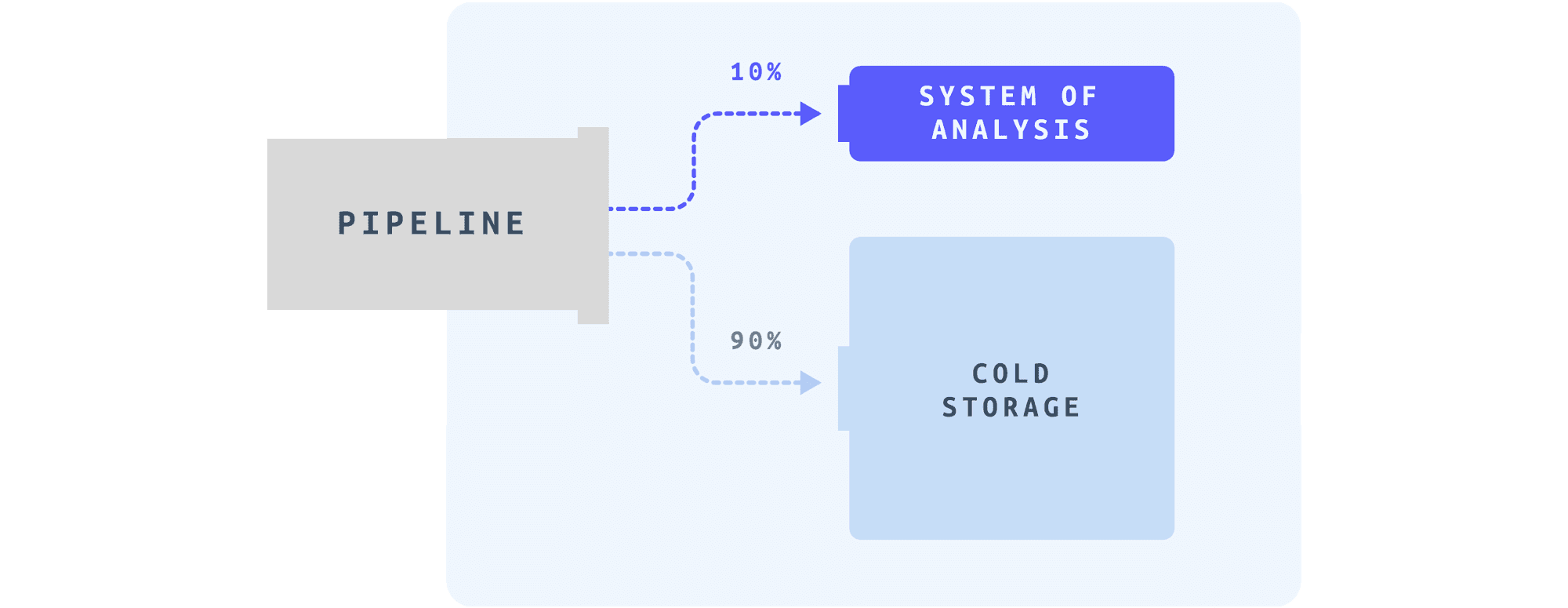
Inefficient storage strategies only compound these issues. Storing everything in hot, expensive storage may provide fast access but quickly becomes cost-prohibitive. On the other hand, pushing data into cold or archival storage to save money can result in painfully slow retrieval times when access is needed—whether for investigations, troubleshooting, analytics, or meeting compliance requirements.
Traditional storage solutions often fall short because they lack the flexibility to dynamically optimize for both cost and accessibility. They were designed for more structured enterprise data that requires an enormous amount of upfront work to define schemas and parse data, not the fluid, high-volume telemetry data that modern organizations rely on today.
Cribl Lake: built to cut costs, not corners
Cribl Lake is a turnkey data lake designed to simplify telemetry management. It provides organizations with a central, scalable repository to store and access telemetry data without locking them into a specific format or vendor. By being fully cloud-based, Cribl Lake eliminates the need for managing infrastructure, helping you save on costs and reduce complexity.
With its intuitive, user-friendly interface, Cribl Lake doesn't require specialized cloud or data expertise, allowing teams to operate without relying on costly experts. IT and Security teams can easily configure retention policies, set security and access controls, and manage data routing and storage, streamlining workflows and enhancing operational efficiency
Here's how to use Cribl Lake to cut costs:
Data Tiering
Automating data tiers based on access frequency and retention requirements. Move infrequently accessed data to more cost-effective storage options. Optimize query performance while minimizing storage costs.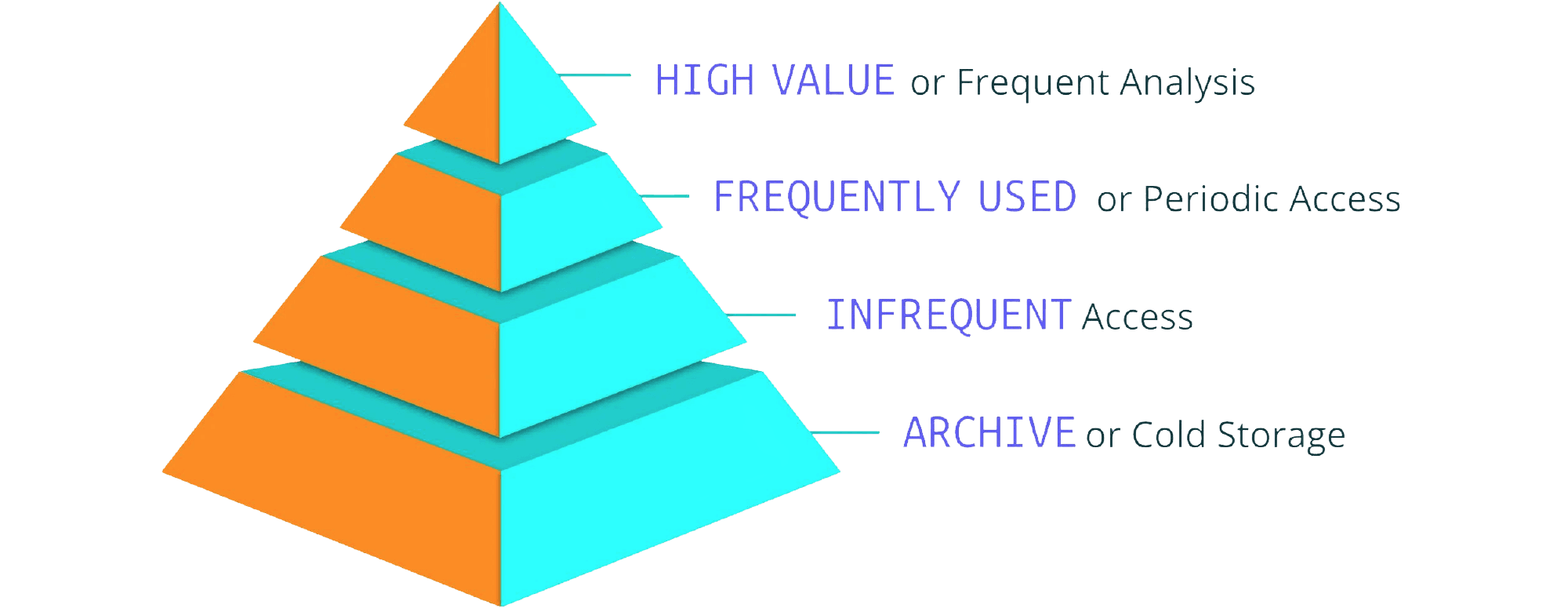
Compress and De-duplicate Data
Cribl Lake helps zip up data to save on costs, significantly reducing the amount of storage your telemetry data consumes — without sacrificing usability. For some data sources, you can see compression rates as high as 15x! Cribl Stream can help eliminate redundant data and shrink file sizes, so you can retain more valuable information at a fraction of the cost. With CribI Search, you can query that compressed data — whether it's stored in Cribl Lake or elsewhere — and pay only for what you store and search.
Unlike some SIEM solutions that charge based on raw data volume, Cribl's pricing model is built around actual data usage, helping you stretch your storage budget further while maintaining full access and control. Learn more about Cribl pricing.Set Data Retention Policies
Cribl Lake helps reduce storage costs with automated retention policies that archive or delete data based on its age or value. This ensures only the most relevant data stays in hot storage, while older or less critical data is moved to cheaper tiers or removed entirely — no manual effort required.
With custom retention schedules, Cribl Lake also helps balance cost savings with compliance. You can keep regulated data as long as you need while trimming unnecessary data sooner, giving you full control over what stays, what goes, and how much you spend.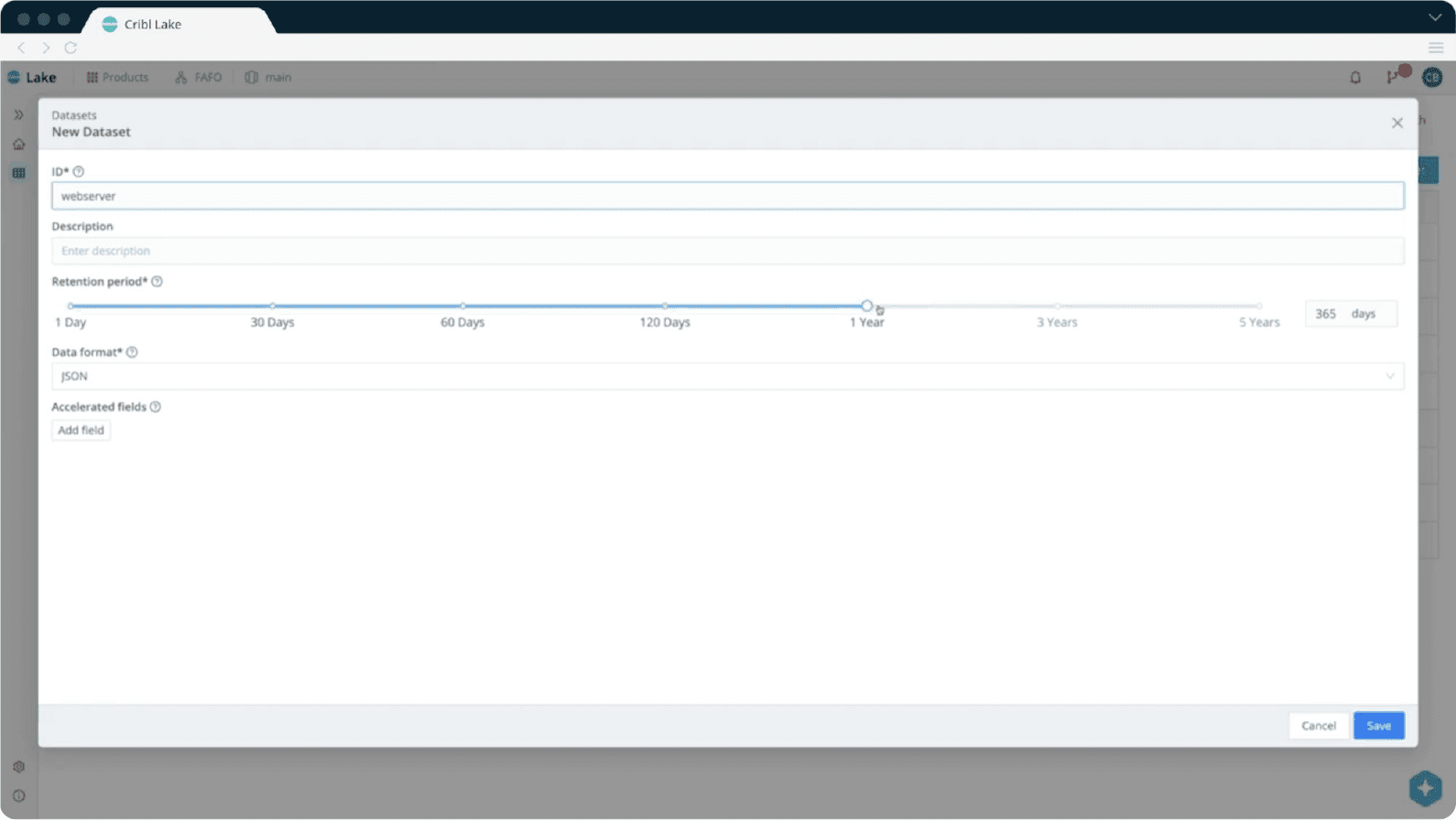
Utilize Cribl Lake as a Staging Ground
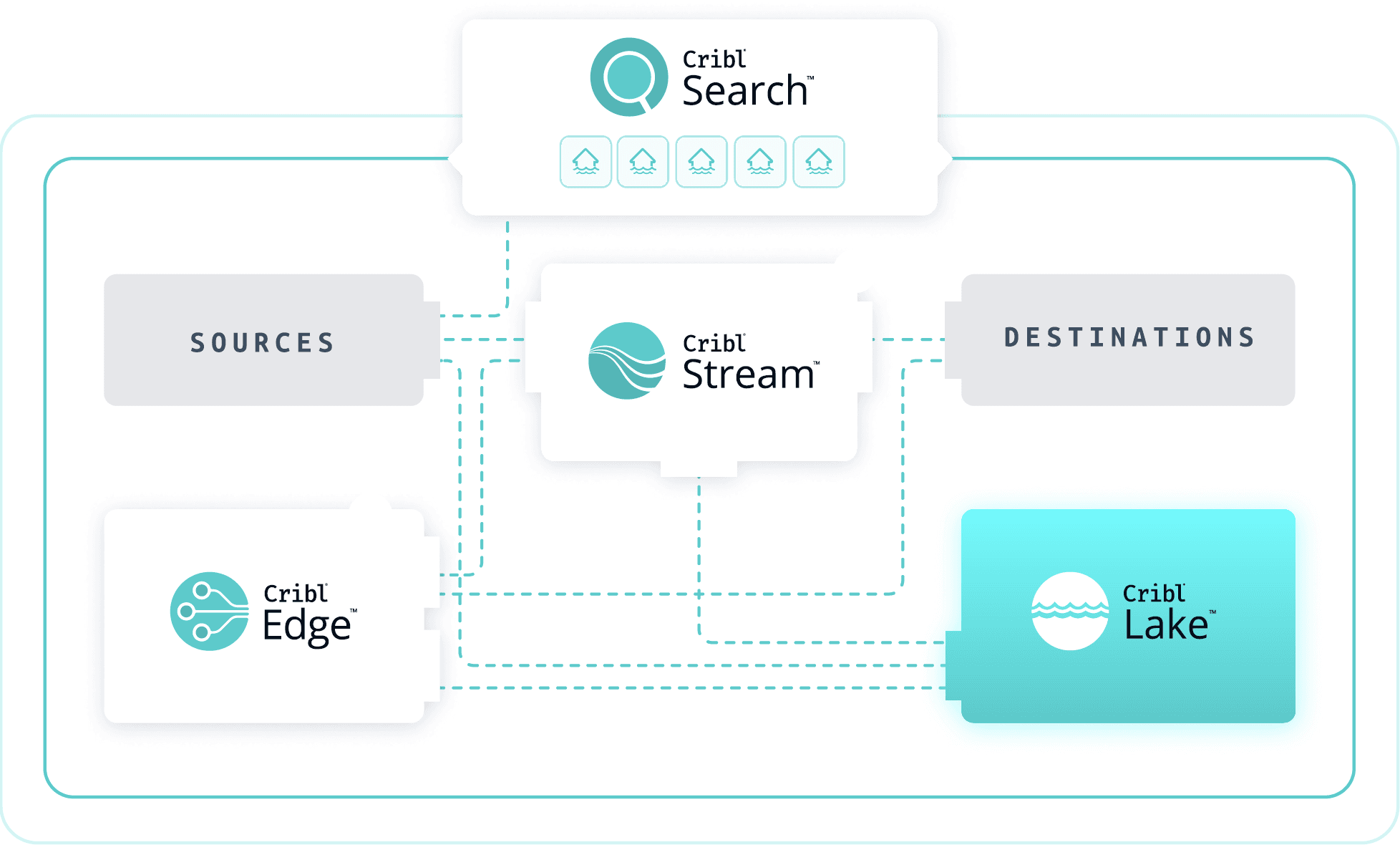
Park data in the meantime until you're ready to work with it in your SIEM or analysis tools. Use Cribl Stream and Cribl Edge to route and aggregate data to your downstream tools while retaining a full copy in CribI Lake, which you can Search for later if you need the full detail. Save on downstream costs, retain full fidelity if you need to return to it, and easily replay data when you need further analysis.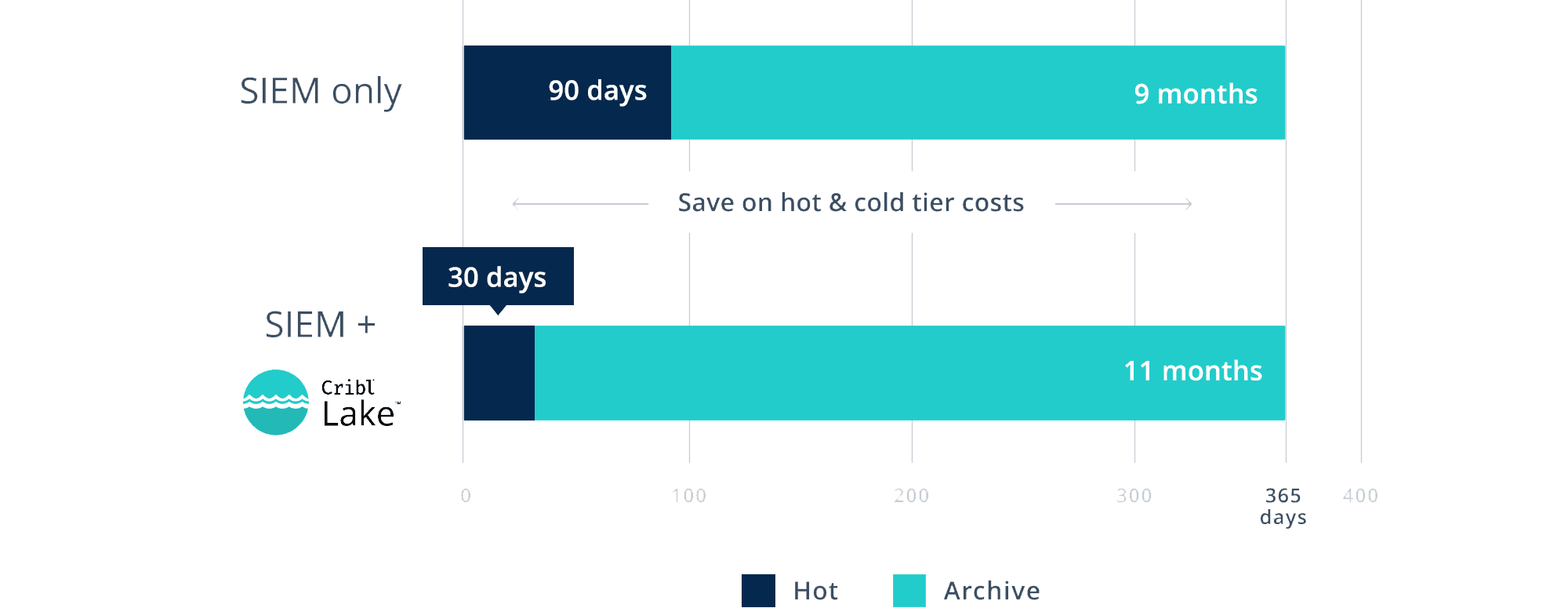

Fortune 500 Travel Company
Cut SIEM Costs with Cribl Lake
"Cribl Lake allows us to send the data, search it, and analyze its relevance before deciding on its next steps. This approach has significantly reduced unnecessary data inflow into our SIEM, saving us time, budget, and resources while ensuring we focus only on what's essential."
— SECURITY ENGINEER AT A FORTUNE 500 TRAVEL
Take control of your storage costs
Reducing storage costs with Cribl Lake starts by centralizing your telemetry in a vendor-neutral, cloud-native platform built for flexibility and efficiency. With composable management and automated tiering, you can route data to the most cost-effective storage tiers based on value and access needs. Cribl Lake gives you self-service access to your data, while maintaining centralized, role-based access control - ensuring teams can work independently and get access to the data they need without compromising security or compliance.
As your data environment evolves, continuous optimization becomes essential - and that's where Cribl Lake gleams. Its cloud-native architecture supports scalable governance and elastic resource consumption, so your storage strategy can grow and adapt without added complexity. By giving you full control over how your data is stored, accessed, and managed, Cribl Lake future-proofs not just your telemetry strategy but also your budgets - helping you stay in control and ready for whatever comes next.
To learn more about how Cribl Lake can help you reduce storage costs, check out our blog on 5 Ways to Slash Storage Costs and watch this quick video walk-through of how to use Cribl Lake to optimize storage and maximize savings.